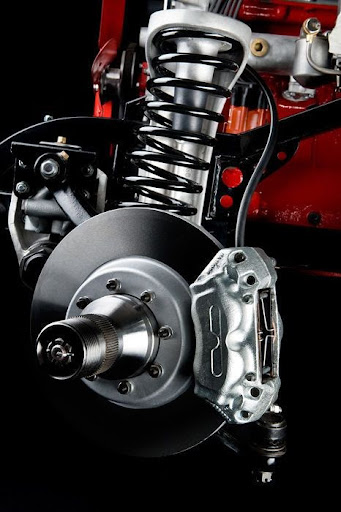
Replacing a car suspension is a complex task that involves ensuring the safe and smooth operation…
Replacing a car suspension is a complex task that involves ensuring the safe and smooth operation of your vehicle. Suspension components wear out over time due to factors like road conditions, driving habits, and general wear and tear. If you're planning to replace your car's suspension components, here's a general outline of the process and key considerations:
1. Identify the Problem: Before replacing any suspension components, diagnose the issues you're experiencing. Common symptoms of suspension problems include excessive bouncing, uneven tire wear, knocking or clunking noises, a rough ride, and poor handling.
2. Gather Necessary Tools and Parts: Depending on the specific components you're replacing, you'll need a variety of tools such as wrenches, sockets, a jack, jack stands, a torque wrench, and potentially specialized suspension tools. You'll also need the replacement parts – these could include shocks/struts, springs, control arms, bushings, and more.
3. Lift and Secure the Vehicle: Use a hydraulic jack to lift the vehicle off the ground and secure it with jack stands. Make sure you're working on a level surface and take safety precautions to prevent the vehicle from falling.
4. Remove Old Components: Start by removing the components that need replacement. This could involve removing wheels, disconnecting sway bars, unbolting control arms, and disconnecting shock or strut assemblies.