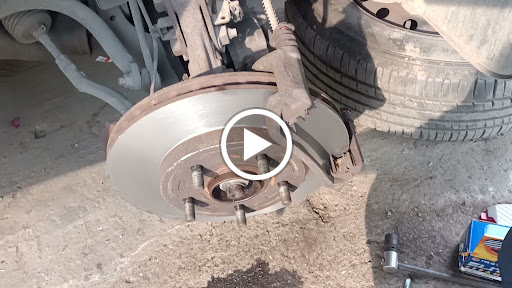
Signs Your Brakes Need Repair
Squeaking or Screeching Noises: This often indicates worn brake pads. Grinding Sounds: A sign that the brake pads may be worn down completely, exposing the metal. Soft or Spongy Brake Pedal: Could indicate air in the brake lines or fluid leaks. Vibration or Pulsation: Often caused by warped rotors. Warning Light on Dashboard: Indicates potential issues with the brake system. Components That May Need Repair Brake Pads and Shoes: These wear out over time and need regular replacement. Brake Rotors or Drums: Warping, cracks, or excessive wear require resurfacing or replacement. Brake Calipers: May stick or leak, affecting braking performance. Brake Fluid: Old or contaminated fluid can reduce braking efficiency and cause system damage. Brake Lines and Hoses: Leaks or cracks require immediate attention. DIY vs. Professional Brake Repair DIY Brake Repair: Replacing brake pads or rotors can be a manageable task if you have the tools and skills. However, it’s essential to follow manufacturer guidelines and ensure safety during the process. Professional Repair: For issues involving calipers, fluid, or the anti-lock brake system (ABS), consult a certified mechanic. Preventive Maintenance Tips Check your brake fluid level monthly. Avoid aggressive braking to extend the life of pads and rotors. Have your brakes inspected at least once a year or as recommended by your vehicle manufacturer.